
Jury 2026

Photo: Pep Bonet - NOOR
Clément Saccomani - head of the jury 2026. Clément Saccomani began his career as a freelance photographer represented by the Gamma agency, covering international news in Eastern Europe, the Caucasus, and South America for many years, particularly violence against women around the world. In 2009, Clément joined Magnum Photos. In 2011, he was appointed Editorial Director, where he developed numerous innovative projects incorporating new narrative strategies for corporate clients (LVMH, Lhoist, BNP Paribas, Nintendo), NGOs, and international institutions.
In 2015, Clément became Managing Director of the NOOR agency and Foundation in Amsterdam, the Netherlands, where he developed European projects (Horizon 2020 – Creative Europe), Blockchain and AI projects with Google, putting the content creator back at the center of the visual economy, as well as innovative projects, including creating a VR pilot project for the International Criminal Court in The Hague. Over his career, Clément and his team and partners received numerous awards, such as 8 World Press Photo Awards and many others.
In 2021, Clément took over as Director of the Cinémathèque des Pays de Savoie et de l’Ain, whose mission is to collect, safeguard and promote audiovisual memory in Savoie, Haute-Savoie and Ain.
Since 2023, Clément Saccomani and his organization Literati have been designing and implementing artistic and cultural projects and supporting artists, city and regional stakeholders, cultural institutions, museums, and businesses. Literati offers tailor-made consulting and implementation services across the entire chain of an artistic or cultural project.

Tamás Révész was born in Budapest. He is a Hungarian-American award-winning photographer - Pulitzer Memorial Prize, World Press Photo, Golden Camera, Béla Balázs, Alexander Rodchenko, among others. Author of fourteen photo books, New York, Rome, Sicily, Budapest, Búcsú a cigányteleptől (Farewell to Gypsy Colonies), among others. His work has been published by major European and American magazines. He is a worldwide exhibited artist (New York, Budapest, Rome, Amsterdam, Tokyo, Copenhagen, La Paz, and Berlin, among others). He has been a member of the international jury of World Press Photo. Recipient of Howard Chapnick Grant by W. Eugene Smith Foundation. Curator of photo exhibitions to Budapest – Capa Brothers, Anthony Suau, Tomasz Gudzowaty, Peter Turnley, National Geographic, etc. Organizer of World Press Photo exhibition to Budapest for over three decades. Teacher of photojournalism at Budapest Metropolitan University.
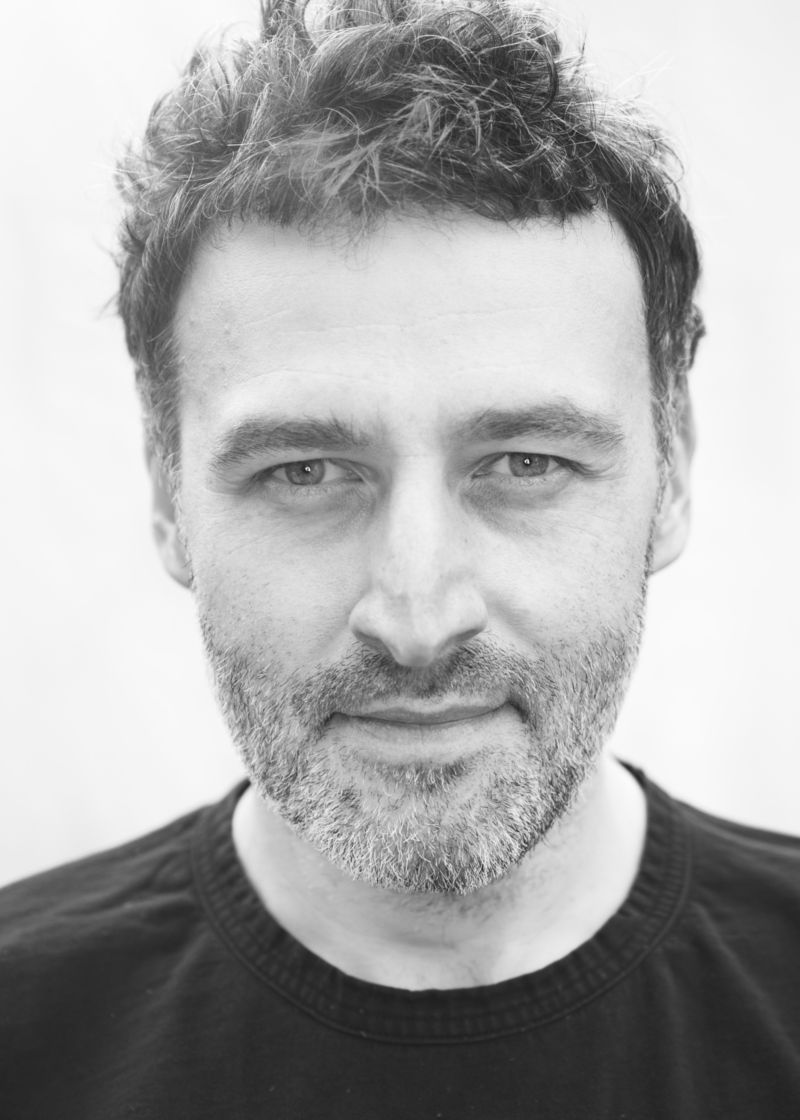
Maciek Nabrdalik is a photographer, documentary filmmaker, and lecturer contributing to the VII Foundation.
He has received numerous awards in Polish and international photojournalism competitions, including World Press Photo, Pictures of the Year International, NPPA Best of Photojournalism, and Grand Press Photo. He is a recipient of the PAP Ryszard Kapuściński Award.
Author of three photographic books. The Irreversible is devoted to prisoners of German Nazi concentration camps. Homesick tells the story of people whose lives were marked by the Chernobyl nuclear disaster. OUT is a portrait of the Polish LGBTQ community.
Together with Piotr Małecki, he is co-director and co-author of cinematography of the feature-length documentary Tickling The Devil, which will premiere at the Krakow Film Festival in 2026.
He has been a longtime contributor to The New York Times. He is a member of Press Club Poland and the Association of Polish Art Photographers. He teaches photojournalism at the Łódź Film School, Collegium Civitas in Warsaw, and as part of VII's international workshops. He studied at Harvard University as a Nieman Fellow (2016/2017).

Ziyah Gafić (1980) was born in Sarajevo and grew up during the siege of the city. He briefly became a refugee before returning home, crawling through a tunnel under Sarajevo airport. Ziyah is Director of The VII Foundation, Sarajevo and an award-winning photojournalist, author, TED speaker and contributor to National Geographic magazine. Over the past twenty-six years, Gafic has reported extensively across the Middle East, the Caucasus, Africa, the Balkans, the Arabian Peninsula, and Asia, with a sustained focus on societies trapped in perpetual violence and on Muslim communities worldwide. His work has received some of the most coveted prizes in photography from World Press Photo, Visa pour l'image, Les Rencontres d'Arles, Prince Claus Fund, Hasselblad, National Geographic Society and the Pulitzer Center on Crisis Reporting. Ziyah's reportages were published as cover stories of The Telegraph Magazine, The New York Times, Newsweek, GEO, National Geographic, La Repubblica, Le Monde, Liberation, El Mundo to name a few. His signature body of work, "Quest for Identity," is as rigorous as it is profound: a meticulous archive of personal objects recovered from mass graves in Bosnia and Herzegovina—images that function simultaneously as evidence, as memory, and as a quiet act of restitution to lives erased by genocide. He authored several other books: Muslims of New York, Troubled Islam: Short Stories from Troubled Societies, and Heartland. Ziyah edited, co-authored or produced books for the National Museum of Bosnia-Herzegovina: Sarajevo Haggadah and "Between Two Empires" as well as seminal body of work of war photographs "Bosnia 1992 - 1995" and the most recent monograph for the City of Sarajevo. Alongside his field work, Gafic has helped shape the next generation of storytellers through The VII Foundation ecosystem, working on training platforms and regional programs that widen access to world-class visual journalism education. In 2026 Gafic received Knighthood by the Republic of France, Order of Arts and Literature for his contribution to arts and culture.
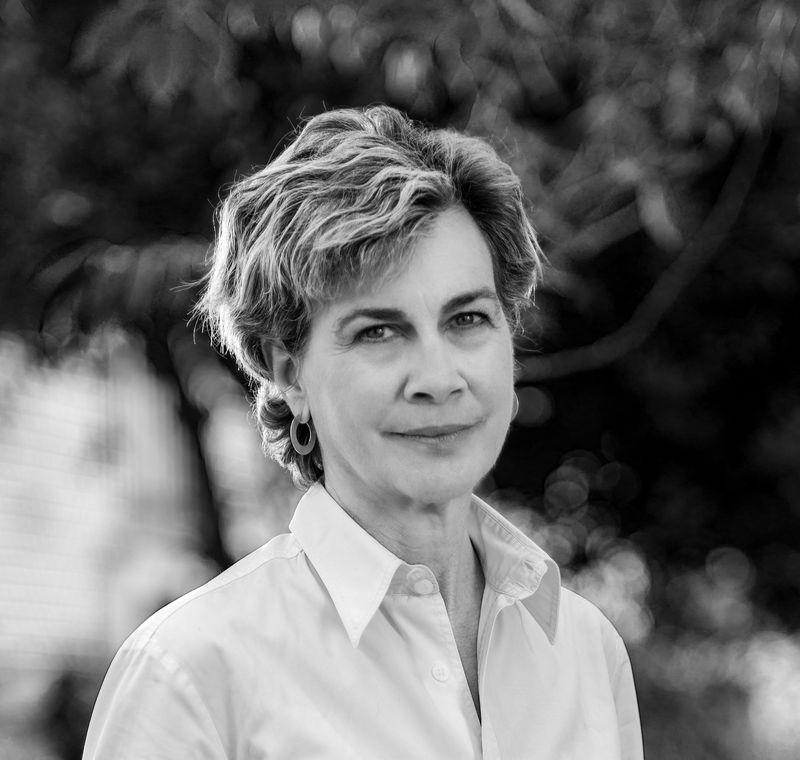
Magdalena Herrera - Art Director and Photo Editor. Born in Havana to a family of artists, Magdalena Herrera left Cuba as a child to settle in Paris, where she studied fine art and art history at the Sorbonne before starting her career as a graphic designer and art director. She has worked in books, print and magazines, spending ten years as Art Director and head of the photo department at National Geographic France before joining Geo France as Director of Photography.
Parallel to her journalistic work, Magdalena Herrera runs workshops and seminars around the world organized by the World Press Photo Foundation, including the Joop Swart Masterclass and Fokal, the Soros foundation, in Haiti. She has taught photojournalism at the Ecole Supérieure de Sciences Po, Paris.
She is regularly solicited as a Jury Member at international photography competitions and
was the chair of the 2018 World Press Photo contest.
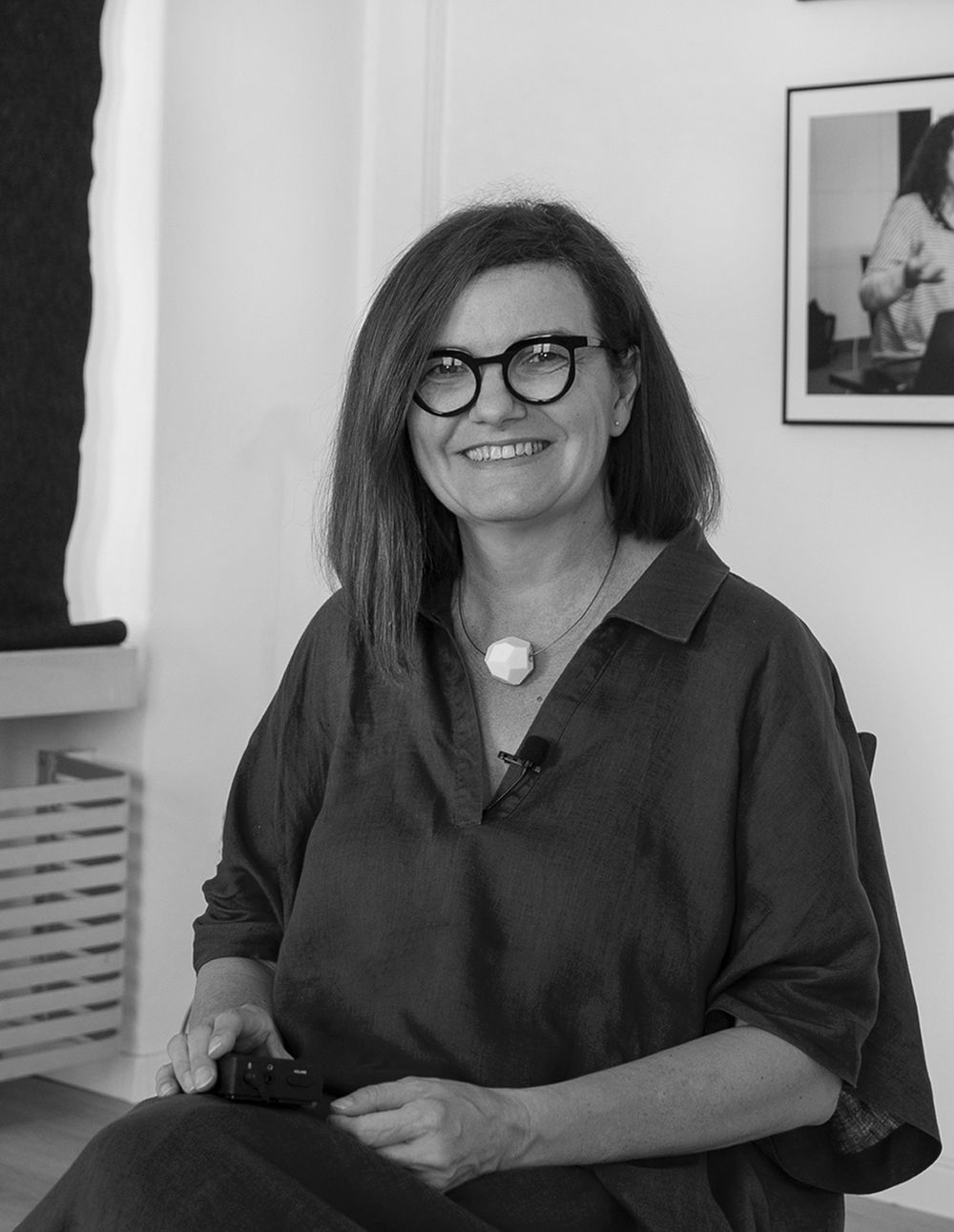
Project guarantor
Doc. Mgr. art. Jana Hojstričová, ArtD. is a photographer and teacher at the Academy of Fine Arts in Bratislava, where she leads the "Studio of Photography, Reality, Construction". In her photographic work she deals with the topics such as the status of women, contemporary family and society, and currently also with the issues of museum culture. In addition to her photographic work, she also specializes in glass, ceramics and design photography. She also researches photography and photographic technologies of the 19th century. In recent years, she has collaborated with Pal Macha, a glass artist. She has prepared a number of exhibitions for domestic and international audiences. She currently lives and works in Bratislava.
Video jury 2026
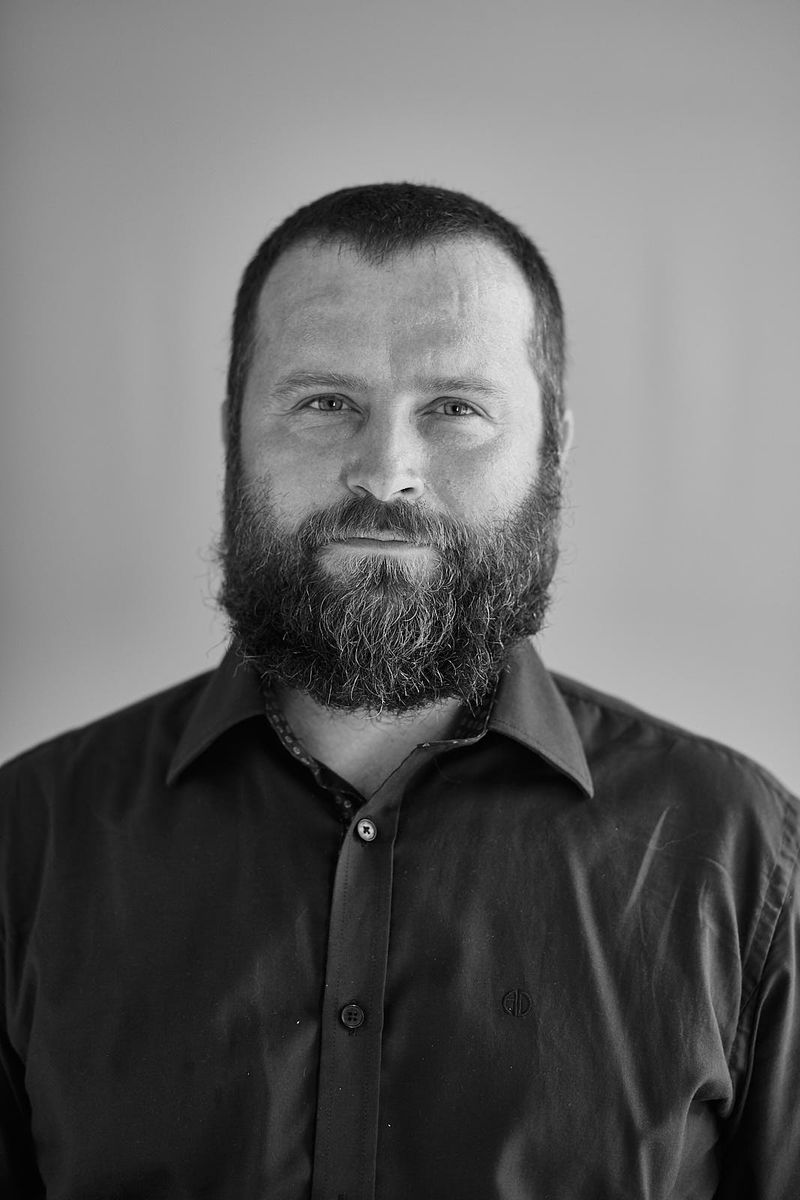
Filmmaker, visual artist and photographer Tomáš Rafa (1979) studied at the Academy of Arts in Banská Bystrica and the Academy of Fine Arts in Warsaw. Since 2009 he has been documenting the growing nationalism and far-right groups in the Visegrad Group area. Tomáš Rafa's work is known not only in the region of Central and Eastern Europe, but also in Sweden and the USA. In Slovakia, he received the Oskar Čepan Award in 2011, and since then he has had numerous solo and group exhibitions in many countries. In 2017 he presented his work at the prestigious Museum of Modern Art (MoMA PS1) in New York. Focusing on current affairs and addressing social and political issues, his work is related to contemporary art's inclination towards ethical issues.

Tomáš Stanek is a Slovak cinematographer, educator, and long-time member of the Association of Slovak Cinematographers. His work spans documentaries, feature films, commercials, and music videos, with a strong focus on visual storytelling that has earned recognition at major international film festivals.
Among his acclaimed works are Children (dir. Jaro Vojtek), for which he received the Tiantan Award for Best Cinematography at the Beijing International Film Festival (2015), and Lost Holiday (dir. Lucie Králová), which won Best Documentary at both the Karlovy Vary International Film Festival and the Banja Luka International Film Festival (2007). He is also the recipient of the 2013 Camera Award from the Slovak Cinematographers Association for the music video World Citizen (dir. Branislav Vincze), and the Golden Egg Award at the Kustendorf Film Festival for The Exhibition(2014).
Since 2017, he has been teaching at the Academy of Music and Performing Arts in Bratislava, where he mentors students at the Department of Cinematography. He earned his master’s degree in 2002 and completed his doctoral studies (ArtD) in 2018 at the same institution.

Monika Bryk - audiovisual artist, photojournalist and cinematographer. Also academic teacher at the Academy of Fine Arts in Warsaw. In both her artistic and documentary projects, she explores the dynamics of social and political change, especially in Central and Eastern Europe (Poland, Hungary, Slovakia, Moldova - Transnistria, Georgia and Germany). Her documentary work is presented in Polish and international media. Since 2019, she has been a regular contributor of Krytyka Polityczna, a leading progressive media platform in Poland. She participated in the Canon Student Development Program 2019 at the Visa pour l'Image festival in Perpignan, France. Her short film WE ARE PEOPLE was screened at Post P_rn Arts Fest (Warsaw, 2024) and later received a distinction in The Slovak Press Photo 2024 competition.